
You may worry about timing, pain, or whether removal really matters—but getting clear facts makes the choice easier. If your wisdom teeth cause crowding, pain, infection, or damage to nearby teeth, removal is often the safest option to protect long-term oral health.
This post explains what wisdom teeth do, when extraction becomes necessary, how to prepare, and what recovery looks like, all from the perspective of trusted local care in Clermont, FL. Expect straightforward steps, comfort-focused options, and practical aftercare tips that help you feel ready to take the next step toward a healthier smile.
Understanding Wisdom Teeth
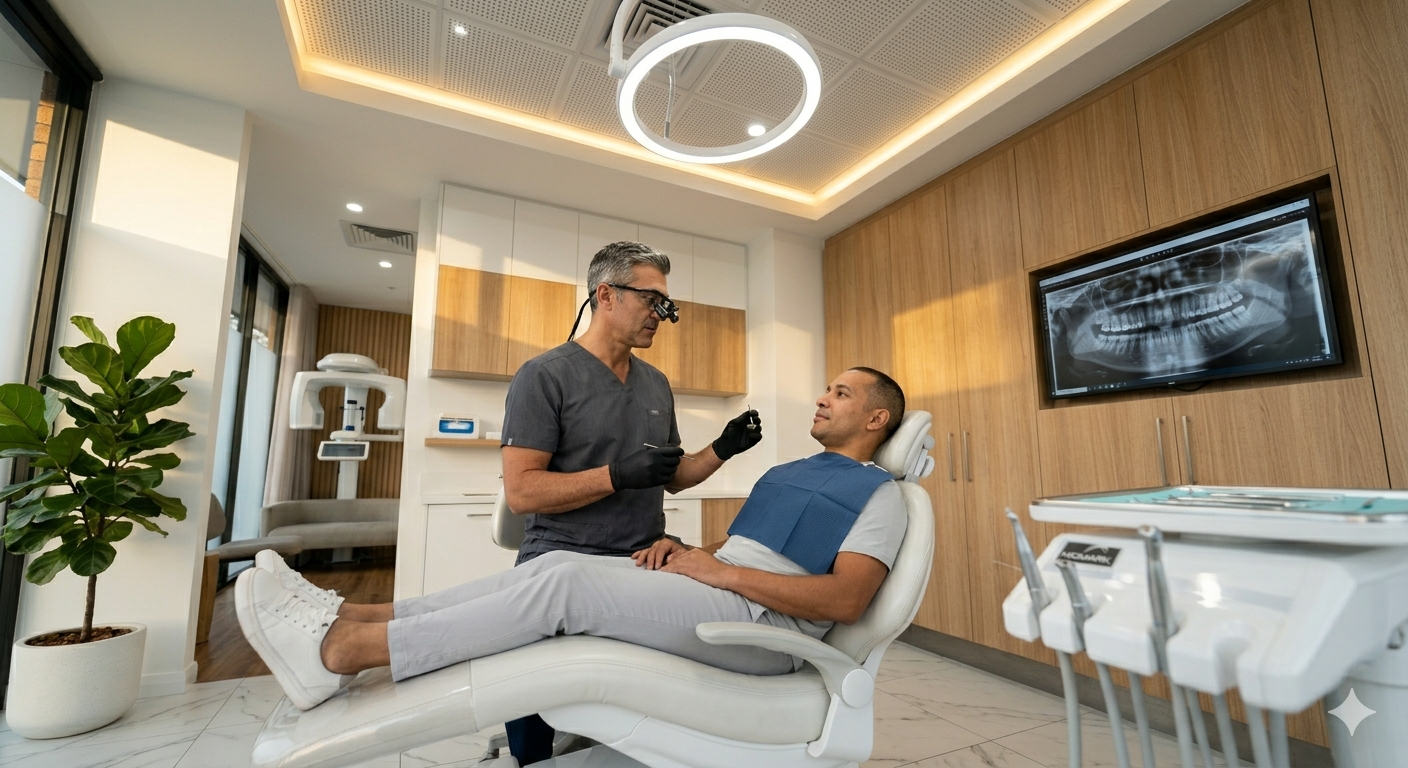
Wisdom teeth often arrive between ages 17 and 25 and can cause crowding, pain, or infection if they don’t align properly. This section explains what they are, the typical problems they cause, and why removal is commonly recommended.
What Are Wisdom Teeth?
Wisdom teeth, or third molars, are the last permanent teeth to emerge at the very back of the mouth. Most people develop four — two on top and two on bottom — though some have fewer or none at all.
These teeth evolved for a diet requiring more chewing power. Modern jaws are often smaller, so wisdom teeth frequently lack room to come in normally. Dentists evaluate them with X-rays to check angle, space, and root development.
A fully erupted, well-aligned wisdom tooth can function like other molars. More commonly, partial eruption or unusual angulation leads to food trapping and hygiene difficulty. That increases risk of cavities and gum inflammation around the tooth.
Common Problems With Wisdom Teeth
Impaction occurs when a tooth cannot fully emerge due to bone, other teeth, or soft tissue blocking its path. Impacted wisdom teeth may lie horizontally, angled toward the second molar, or remain trapped under bone.
Pericoronitis is an infection of the gum flap over a partially erupted tooth. It causes localized pain, swelling, bad taste, and difficulty opening the jaw. Recurrent infections often follow without treatment.
Crowding and damage to adjacent teeth happen when pressure from erupting wisdom teeth shifts nearby teeth. Cysts or rare tumors can develop around impacted roots, causing bone loss. Nerve proximity, especially the inferior alveolar nerve, raises the risk of altered sensation if complications arise.
Why Wisdom Teeth Need Removal
Removal becomes necessary when wisdom teeth cause pain, recurrent infection, decay, or damage to neighboring teeth. Dentists also recommend extraction when X-rays show cysts, abnormal angulation, or progressive root formation that threatens oral structures.
Proactive removal is often advised for young adults because roots are shorter and bone is softer, making surgery easier and recovery faster. When wisdom teeth sit close to nerves or sinuses, oral surgeons plan imaging and technique carefully to minimize risks.
Treatment choices include local anesthesia with sedation or general anesthesia for more complex cases. Postoperative care focuses on pain control, infection prevention, and stepwise return to normal diet and activity. Patients are encouraged to ask about sedation options, anticipated recovery time, and follow-up to feel prepared and comfortable.
When Removal Is Recommended
Wisdom tooth removal becomes necessary when the teeth cause pain, infection, shifting of other teeth, or when imaging shows they will likely cause future problems. The decision balances current symptoms, x-ray findings, and the patient’s overall oral health and treatment goals.
Recognizing Symptoms and Risks
Patients often report persistent pain behind the second molars, swelling of the gums, or a bad taste from trapped food and bacteria. Recurrent pericoronitis (gum infection around a partially erupted tooth), visible pus, or repeated swelling are clear signals that extraction should be considered.
Crowding and shifting of adjacent teeth can follow from erupting wisdom teeth, especially if the mouth is small. Dental x-rays showing impacted roots pressing on neighboring teeth, cyst formation, or bone loss increase the urgency for removal. Nerve proximity and the angle of impaction are evaluated to weigh surgical complexity and risk.
Dentists also consider systemic effects: repeated oral infections can raise inflammation and complicate conditions like diabetes. If wisdom teeth hinder orthodontic results or prosthetic work, removal is often recommended to protect long-term oral function.
Ideal Timing for Extraction
Extraction typically occurs in late adolescence to early twenties when roots are partially formed and bone is less dense, which usually allows easier removal and faster healing. Dentists often recommend removal between ages 16 and 25 for teeth likely to become problematic.
When teeth are already symptomatic—pain, infection, or cysts—prompt extraction is advised regardless of age to prevent spread of infection and further damage. For impacted teeth that appear stable on x-rays and cause no symptoms, periodic monitoring may be chosen instead of immediate surgery.
Medical conditions, anticoagulant use, or pregnancy affect timing. Dentists coordinate with physicians to schedule extractions safely, postpone elective procedures during pregnancy, or adjust medication when necessary.
Evaluating Your Individual Needs
Dentists assess panoramic or cone-beam CT images, clinical exams, and the patient’s dental history to form a personalized plan. Key factors include tooth position, root development, proximity to the inferior alveolar or lingual nerve, and signs of decay or infection on adjacent teeth.
Patient age, medical history, smoking status, and ability to follow postoperative care influence recommendations. For example, smokers face higher risk of dry socket and slower healing, so clinicians may counsel cessation before surgery.
The treatment discussion covers anesthesia options (local, nitrous oxide, IV sedation), expected recovery timeline, and specific risks for the individual’s anatomy. Patients are encouraged to ask about alternatives, potential complications, and pain-management strategies before consenting to extraction.
Preparing for Your Procedure
Patients should expect a focused assessment of their oral health, a clear discussion of sedation and comfort choices, and a tailored treatment plan that considers anatomy, medical history, and recovery needs.
Your Initial Consultation
At the first visit, the clinician reviews medical history, current medications, and any allergies. A panoramic X-ray or CBCT scan maps tooth position, root shape, and proximity to nerves to identify impactions or risks.
The dentist evaluates infection, gum health, and adjacent teeth to decide urgency and technique. Patients should bring a list of medications and recent medical records, including blood thinners or anticoagulants.
Expect questions about past anesthesia reactions and chronic conditions such as diabetes or bleeding disorders. The team documents symptoms — pain, swelling, or limited mouth opening — to prioritize treatment timing.
Providers often explain likely extraction complexity, estimated procedure length, and basic aftercare needs. This visit sets realistic expectations and permits scheduling of appropriate sedation and post-op support.
Discussing Sedation and Comfort Options
Clinicians review three main options: local anesthesia, oral sedation, and IV/IV moderate-to-deep sedation. Local anesthesia numbs the area for most straightforward extractions; oral sedatives (e.g., diazepam or triazolam) add relaxation for anxious patients.
IV sedation or conscious sedation offers deeper relaxation and amnesia; it requires an escort and fasting. The dentist assesses ASA status, airway, and previous sedation tolerance before recommending agents.
They discuss risks and benefits clearly: potential nausea, grogginess, and recovery monitoring needs. Patients receive written pre-op fasting instructions and guidelines on which medications to withhold or continue.
Facilities clarify monitoring standards, emergency equipment, and post-op transportation requirements. This conversation aims to match comfort level with safety and to ensure informed consent.
Personalized Treatment Plans
Treatment plans list the number of teeth to be removed, surgical techniques (simple vs. surgical extraction, bone removal, sutures), and estimated time per tooth. They include imaging references and an outline of intraoperative steps.
The plan specifies medication prescriptions: antibiotics for active infection, analgesics (acetaminophen with or without low-dose opioids), and topical anesthetic options. It also notes alternatives if a tooth can be monitored instead of removed.
Recovery logistics appear in writing: expected swelling timeline, soft-food recommendations, and follow-up appointment schedule for suture removal or check-ups. Patients are given clear emergency contact instructions and signs that require immediate attention.
Financial details and insurance estimates are provided, along with options for payment plans or prior authorization when needed. This ensures practical preparation and reduces surprises on the day of surgery.
The Removal Process Step-By-Step
This section outlines what patients usually experience on the day of surgery, the modern techniques used to minimize trauma, and how clinicians keep patients comfortable throughout the visit.
What to Expect on the Day
Patients check in, complete a brief medical history update, and sign consent forms before the procedure begins. The dentist or oral surgeon reviews X-rays and explains the planned anesthesia and extraction steps in plain language.
Staff confirm fasting instructions and medication adjustments, then escort the patient to the treatment room. Monitoring equipment is placed for blood pressure and oxygen; this helps the team watch vital signs throughout the procedure.
Local anesthesia is administered first to numb the area. If sedation is chosen, intravenous (IV) sedation or oral sedatives are started and monitored until the patient reaches the intended level of relaxation.
The clinician performs the extraction after confirming numbness and comfort. Post-operative instructions are reviewed verbally and given in writing, including pain control, diet, and activity limits to support healing.
Modern Techniques for Gentle Extractions
Surgeons use minimally invasive flapless approaches when possible to reduce tissue trauma. They often rely on precise, small incisions and controlled bone removal to access impacted teeth with less soft-tissue disruption.
Piezoelectric instruments and high-speed surgical handpieces allow selective bone removal without damaging adjacent roots. These tools reduce vibration and heat, which lowers post-op swelling and discomfort.
For complex impactions, the clinician may section the tooth into smaller pieces for easier removal. Sectioning minimizes the amount of bone removed and shortens operative time, improving recovery.
Guided-surgery planning from 3D CBCT scans helps map root position relative to nerves. This planning reduces risk to the inferior alveolar nerve and sinus, enabling safer, more predictable extractions.
Ensuring Patient Comfort
Pain control starts before the first incision with effective local anesthesia and optional sedation tailored to the patient’s anxiety level. The team confirms numbness and comfort before proceeding.
During the procedure, continuous monitoring and gentle technique keep sensations minimal. Staff offer reassurances and adjust sedation or anesthetic if the patient reports any discomfort.
Post-op comfort relies on a clear medication plan: NSAIDs for inflammation, acetaminophen for additional pain control, and prescription analgesics only when necessary. Cold packs and soft foods are recommended for the first 48–72 hours.
Follow-up contact within 24–72 hours ensures healing is progressing and answers any questions. Patients are encouraged to call the office for increased pain, unusual swelling, fever, or persistent bleeding so the team can intervene promptly.
Expert Care in Clermont, FL
Patients find clear choices, experienced clinicians, and modern support services critical when planning wisdom teeth removal in Clermont. The following points explain how to select the right team, why experience matters for recovery, and which technologies and comfort measures make a difference.
Choosing a Qualified Dental Team
Look for an oral surgeon or oral/maxillofacial practice with board certification and active state licensure. Verification through the Florida Board of Dentistry and the American Board of Oral and Maxillofacial Surgery gives concrete assurance of credentials.
Check for documented experience removing impacted third molars, especially in cases requiring sectioning or bone removal. Ask how many similar procedures the clinician performs monthly and request before-and-after case summaries or patient references.
Confirm the practice has on-site sedation options: local anesthesia, nitrous oxide, oral sedation, and IV sedation with a certified anesthesia provider. Review emergency protocols, including ACLS-trained staff and access to an affiliated hospital for rare complications.
Compare patient reviews for specific details about pain control, follow-up care, and clear post-op instructions. Evaluate communication: preoperative consults should cover risks, alternative treatments, estimated timing, and a written recovery plan.
How Experience Impacts Recovery
Clinician experience affects incision placement, flap design, and bone removal decisions that reduce tissue trauma. These technical choices directly influence postoperative pain, swelling, and the speed of tissue healing.
Experienced surgeons anticipate difficulties—such as proximity to the inferior alveolar nerve—and use radiographic interpretation to plan approaches that lower nerve injury risk. They tailor extraction techniques to tooth position and root anatomy, which can shorten operative time.
A seasoned team provides tighter pain-management protocols and clearer, individualized aftercare instructions. They schedule follow-up calls or visits within 24–72 hours and offer immediate contact for complications, improving patient confidence and outcomes.
Advanced Technology and Patient Support
Digital panoramic X-rays and cone-beam CT (CBCT) scans map tooth roots, sinuses, and nerve pathways for precise surgical planning. This imaging reduces guesswork and helps determine whether a simple extraction or a surgical approach is necessary.
Intraoperative technology—such as piezosurgery for bone removal and ultrasonic instruments—minimizes soft-tissue damage and post-op swelling. Practices that use real-time vitals monitoring during sedation maintain safety and comfort throughout the procedure.
Patient support includes written recovery plans, prescriptions for pain control and infection prevention when indicated, and options for at-home comfort kits. Many Clermont clinics provide nurse follow-up calls, 24/7 emergency lines, and online portals for uploading photos of the surgical site to assess healing remotely.
Recovery and Aftercare Tips
Most patients should expect moderate swelling, some bleeding the first day, and gradually decreasing pain over 3–7 days. Proper use of medications, cold packs, gentle oral hygiene, and soft foods speeds healing and lowers complication risk.
Managing Discomfort
They should follow the prescribed pain plan exactly: take prescription analgesics for the first 24–48 hours if recommended, then switch to OTC ibuprofen (200–400 mg every 4–6 hours as needed, not exceeding 1,200 mg/day OTC) unless contraindicated. Alternate acetaminophen and ibuprofen per dentist instructions for better control if both are approved.
Apply a cold pack to the cheek 20 minutes on, 20 minutes off for the first 48 hours to reduce swelling. After 48 hours, switch to warm compresses to relax muscle and improve circulation. Avoid aspirin (it can increase bleeding) and alcohol while on sedation or opioid medications.
Avoid vigorous rinsing, spitting, or tobacco for at least 72 hours to protect the blood clot. Sleep propped up on pillows for the first night to minimize bleeding and swelling.
Supporting Healing at Home
Keep the surgical site clean starting 24 hours after surgery by rinsing with warm salt water (1/2 teaspoon salt in 8 ounces water) four times daily and after meals. Use a soft-bristled toothbrush and avoid the socket when brushing for the first few days.
Stick to soft foods like mashed potatoes, yogurt, smoothies (drink with a cup, not a straw), scrambled eggs, and broths for 3–5 days. Gradually reintroduce firmer foods as comfort allows. Avoid crunchy, spicy, or hot foods that irritate the wound.
Follow activity restrictions: no heavy lifting or intense exercise for 48–72 hours. Keep follow-up appointments for suture removal or exam; dissolvable sutures may still need a check at 1 week. Maintain hydration and balanced nutrition to support tissue repair.
When to Call Your Dentist
Contact the dental office immediately for persistent bleeding that soaks through two sterile gauze pads within 30 minutes or for heavy bleeding that won’t stop after firm pressure. Bright red bleeding and swelling that worsens after 72 hours require evaluation.
Seek urgent care for signs of infection: fever above 100.4°F (38°C), increasing throbbing pain despite medication, foul taste or smell, or pus discharge from the socket. Severe numbness lasting beyond 24–48 hours or difficulty breathing/swallowing also warrants immediate contact.
If a “dull, deep pain” develops 3–5 days post-op and does not improve with analgesics, they may have dry socket and should call for a prompt dressing and pain control.
Preventing Future Issues
Regular monitoring and timely care reduce complications from wisdom teeth. Early detection, consistent hygiene, and routine dental visits help keep adjacent teeth, gums, and jawbone healthy.
Recognizing Early Signs in Teens
Parents should watch for swelling or redness behind the second molars, persistent bad breath, or a bad taste in the mouth. These signs often indicate food trapping or early gum infection around erupting wisdom teeth.
Pain that radiates to the ear, jaw stiffness when opening, or intermittent pressure when biting can signal impaction. A bite change or crowding of front teeth merits an x-ray to check angulation and root development.
Dentists typically recommend panoramic radiographs around ages 16–18 to assess position and predict complications. If roots are forming and the tooth is angled toward the second molar, extraction often prevents decay or root damage later.
Ongoing Dental Maintenance
Maintain twice-daily brushing with a fluoridated toothpaste and daily interdental cleaning around molars to prevent decay near wisdom teeth. Use a soft toothbrush and a 45-degree angle to reach the back of the mouth effectively.
Schedule dental cleanings and exams every six months, or as recommended, so hygienists can remove plaque build-up in hard-to-reach areas. Professional fluoride varnish or targeted sealants can protect adjacent molars when eruption sites are vulnerable.
If panoramic or CBCT images show potential impaction, follow the dentist’s timeline for monitoring or extraction. For those who keep wisdom teeth, commit to more frequent checkups—typically every 4–6 months—and report any new pain, swelling, or shifting teeth promptly.
If questions or concerns arise about a specific case, patients are encouraged to contact their dental office to arrange evaluation and imaging.
Next Steps to a Healthier Smile
After a wisdom tooth consultation in Clermont, patients should schedule the extraction or a follow-up exam based on their dentist’s recommendation. This keeps problems like crowding or infection from getting worse.
They should prepare by reviewing anesthesia options and arranging transportation for the day of the procedure. Clear instructions about eating, medications, and arrival time reduce anxiety and speed recovery.
Postoperative care matters. Follow prescribed pain management, use cold packs for the first 24 hours, and keep the mouth clean with gentle rinses as directed.
Watch for warning signs such as uncontrolled bleeding, fever, or severe pain that doesn’t improve with medication. If any of these occur, contact the dental office immediately.
For ongoing oral health, maintain regular dental checkups and cleanings. Preventive habits — brushing twice daily, flossing, and using fluoride toothpaste — support long-term results.
Insurance and financing options often vary; patients should review coverage and ask the practice about payment plans. Knowing costs and options ahead of time removes stress.
They can call or book online to arrange a consultation, ask questions about sedation, or request a treatment timeline. The dental team in Clermont aims to make each step comfortable and understandable.
Frequently Asked Questions
This section answers common concerns about pain, sedation, recovery time, diet after surgery, and warning signs that need prompt attention. It focuses on practical details patients in Clermont, FL can expect before, during, and after wisdom teeth removal.
How do I know if my wisdom teeth need to come out?
Persistent pain or repeated infections near the back molars often signal removal is needed.
Crowding, damage to adjacent teeth, cysts on X-rays, or partially erupted (impacted) teeth are also common reasons.
A dentist will evaluate panoramic or cone-beam X-rays and consider age, oral hygiene, and symptoms.
They will explain whether monitoring, antibiotics, or extraction is the best plan.
What does the removal appointment typically feel like, and how is discomfort managed?
Patients usually feel pressure and movement during extraction but not sharp pain when appropriate anesthesia is used.
Local anesthetic numbs the area, so most describe sensations as tugging and vibration rather than pain.
Postoperative soreness and swelling peak around 48–72 hours and then steadily improve.
Dentists prescribe or recommend over-the-counter pain relievers and cold packs to control pain and swelling.
What are my sedation options, and which one is usually best for nervous patients?
Common options include local anesthesia, nitrous oxide (laughing gas), oral sedatives, and IV sedation.
Nitrous oxide offers mild relaxation while IV sedation provides deep relaxation or light sleep for those with high anxiety.
For very nervous patients, IV sedation is often preferred because it reduces awareness and memory of the procedure.
The oral surgeon or dentist will review medical history to choose the safest, most comfortable option.
How long does recovery usually take, and when can I get back to work or school?
Most patients can return to light activities and non-strenuous work or school after 48–72 hours.
Complete healing of the extraction sites typically takes two to four weeks, with bone remodeling continuing for several months.
Swelling and pronounced discomfort usually subside within the first week.
Follow-up appointments confirm proper healing and remove sutures if needed.
What can I eat after surgery, and what foods should I avoid while healing?
Start with cold, soft foods such as yogurt, smoothies, applesauce, and mashed potatoes for the first 24–72 hours.
Gradually progress to lukewarm, soft proteins like scrambled eggs and tender fish as comfort allows.
Avoid hard, crunchy, spicy, or small-seeded foods that can irritate the sockets or get stuck in them.
Also avoid using straws, smoking, and vigorous rinsing for the first week to protect clot formation.
What warning signs after surgery mean I should call the dental office right away?
Contact the office for heavy bleeding that doesn’t slow after 20–30 minutes of firm pressure.
Severe, worsening pain not controlled by medication, high fever, or foul-smelling drainage also require immediate attention.
If numbness persists beyond expected time or if swelling rapidly increases after the second day, call promptly.
The dental team in Clermont will assess the issue and provide instructions or an urgent appointment.