
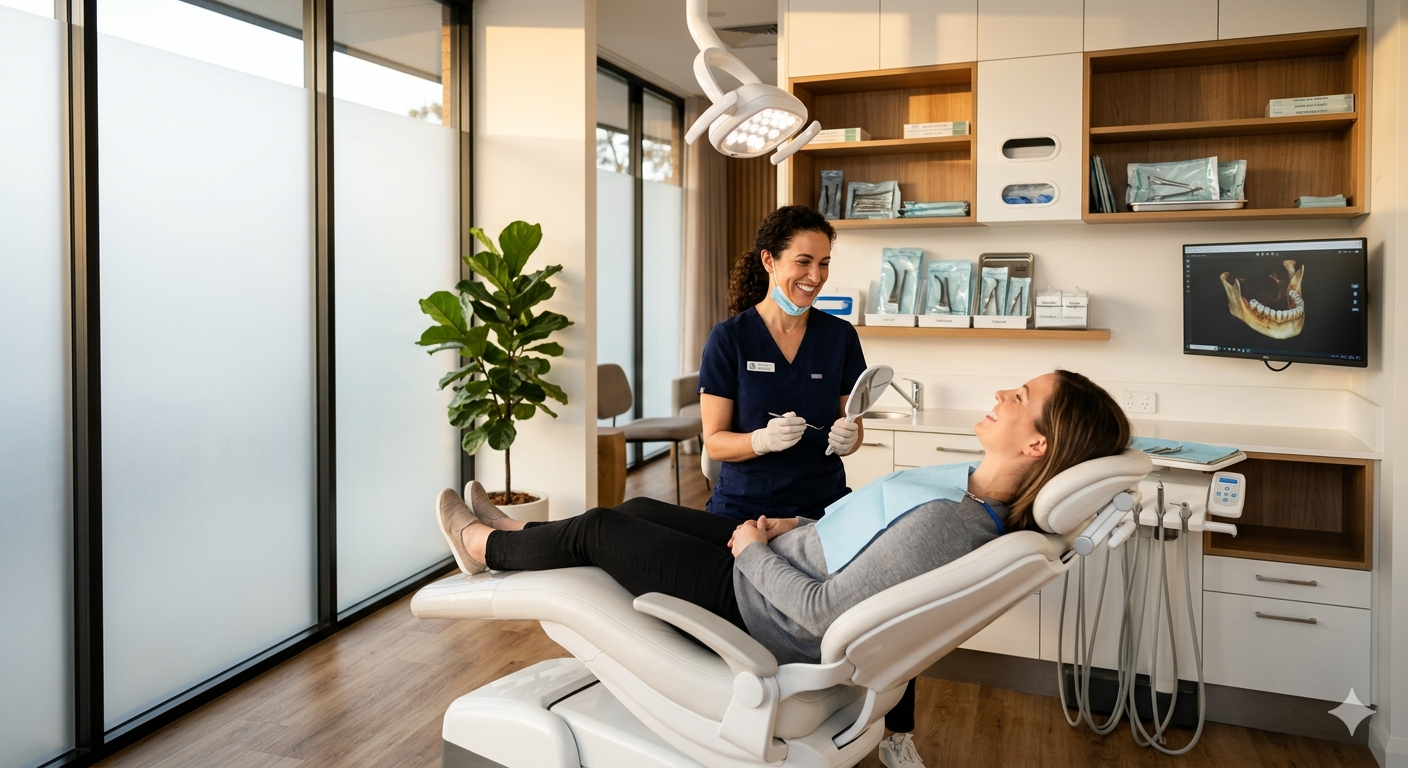
Many people worry that dental implants are out of reach because of high costs. In Clermont, FL, however, affordable dental implant options exist that balance quality care with reasonable pricing. Affordable dental implants in Clermont are achievable through experienced dentists who use efficient techniques and offer flexible payment plans.
These implants provide a reliable way to replace missing teeth, improving both function and confidence. Local dental practices often focus on patient comfort and personalized treatment, ensuring each person feels informed and cared for throughout the process.
Understanding the costs and options available can help make dental implants feel less intimidating. Taking the first step to talk with a Clermont dental expert can open the door to restoring a healthy smile without overwhelming expense.
Understanding Dental Implant Treatments
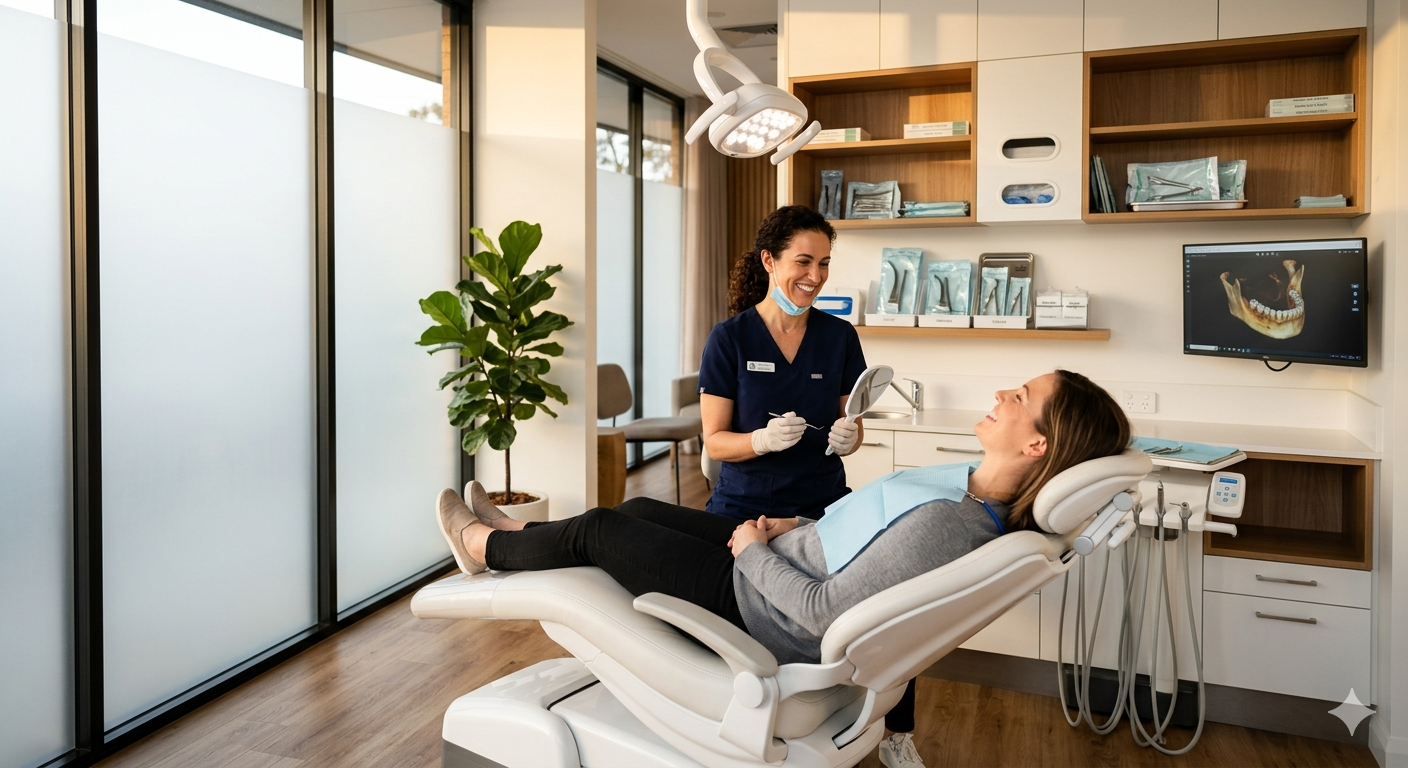
Dental implant treatments replace missing teeth by anchoring artificial roots into the jawbone. This process involves different types of implants to suit individual needs. Not everyone qualifies for implants, but knowing who does can help guide treatment choices.
How Dental Implants Work
Dental implants act as artificial tooth roots, usually made of titanium, that integrate with the jawbone through a process called osseointegration. This fusion creates a stable base for attaching crowns, bridges, or dentures. Unlike removable dentures, implants provide a permanent solution that feels and functions like natural teeth.
The procedure typically involves placing the implant post into the jaw during minor oral surgery. After a healing period of several months, the implant bonds with the bone. Then, a custom-made crown or prosthetic tooth is attached, restoring chewing ability and appearance.
Types of Dental Implants Available
There are several common types of dental implants:
- Endosteal implants: The most widely used, these are inserted directly into the jawbone as screws or cylinders.
- Subperiosteal implants: These sit on top of the jawbone but under the gum tissue. They are less common and used when bone loss prevents standard implant placement.
- Zygomatic implants: Longer implants anchored in the cheekbone, suitable for severe upper jaw bone loss.
Each type addresses different anatomical or clinical situations. The choice depends on bone health, location of missing teeth, and patient preferences.
Ideal Candidates for Implants
Good candidates have healthy gums and sufficient jawbone density to support the implant. Patients with controlled chronic conditions, such as diabetes, may still qualify but require closer monitoring. Smoking and poor oral hygiene can reduce success rates, so lifestyle habits are considered.
Dental professionals often conduct imaging and health assessments before recommending implants. Younger patients who have completed jaw growth are generally preferred, but age alone is not a strict barrier. The key is having realistic expectations and commitment to oral care.
Patients considering implants in Clermont, FL should discuss their medical and dental history to find the best approach tailored to their needs.
Benefits of Choosing Affordable Implant Solutions
Affordable implant options provide practical benefits without compromising quality or care. They offer lasting support for dental function and appearance, protect oral health, and help patients regain confidence comfortably.
Long-Term Value for Your Smile
Choosing affordable dental implants in Clermont, FL, means investing in a solution designed to last many years. Unlike dentures or bridges, implants fuse with the jawbone, preventing bone loss and maintaining facial structure. This durability helps reduce future dental costs since implants rarely need replacing.
Implants also improve chewing efficiency, supporting better nutrition and overall health. Patients often find that affordable implants offer the most cost-effective choice over time because they combine strength and longevity. Lower upfront costs do not mean sacrificing advanced implant technology or expert care.
Preserving Oral Health with Implants
Affordable implants protect surrounding teeth by eliminating the need for adjacent teeth to be altered, as with bridges. This preserves natural tooth integrity and prevents shifting, which can cause bite issues. The implant acts just like a natural tooth root, stimulating the jawbone and preventing bone deterioration that occurs after tooth loss.
The stability implants provide enhances oral hygiene routines. Because they don’t rely on adhesives or removal for cleaning, implant patients can maintain healthier gums and reduce the risk of decay or gum disease around replacement teeth.
Improved Confidence and Comfort
Affordable dental implants offer a secure fit that feels natural in the mouth. Unlike ill-fitting dentures, implants do not slip or cause irritation, improving day-to-day comfort. This stability allows patients to speak clearly and eat a wider variety of foods without worry.
Many find that affordable implants significantly boost self-esteem. The natural appearance restores a confident smile, helping social interactions and professional life. The comfort and aesthetics combined make implants a trusted choice for long-term patient satisfaction.
Cost Factors for Dental Implants in Clermont
The price of dental implants in Clermont depends on several key factors that affect both the quality and customization of care. Understanding these elements helps patients make informed decisions based on their needs and budget.
Materials and Technology Used
Dental implant costs vary depending on the materials selected. Titanium implants are common because of their strength and biocompatibility, often costing less than zirconia implants, which are metal-free and may appeal to patients seeking a ceramic option.
The technology involved also makes a difference. Digital imaging and 3D guided surgery improve precision and outcomes but can increase costs. Clinics using the latest equipment may charge more, but this often leads to faster healing and reduced complications.
When evaluating costs, patients should consider both the implant material and the method of placement to balance durability, comfort, and price.
Treatment Planning and Customization
Individual treatment plans impact implant costs significantly. A thorough examination, including X-rays and 3D scans, customizes the approach to each patient’s jawbone and oral condition.
Additional procedures like bone grafting or sinus lifts can raise expenses but are necessary when patients lack sufficient bone density. The extent of these preparatory treatments varies by case.
Customized crowns or bridges also affect the total cost. Quality of craftsmanship and the choice of dental labs contribute to the price for the visible part of the implant.
Comparing Implants to Alternative Options
Dental implants often cost more upfront than dentures or bridges. However, implants typically last longer and preserve bone structure, reducing future dental issues and expenses.
Dentures require periodic adjustments and may impact comfort and chewing ability. Bridges may affect nearby teeth, potentially leading to additional treatments.
For many, the higher initial cost of implants aligns with better function and fewer long-term costs. Patients should discuss all options with their Clermont dentist to find the best fit for their budget and lifestyle.
Ways to Make Implants More Accessible
Finding affordable dental implants often involves exploring options that fit a patient’s budget without compromising care. Various approaches help break down costs and offer financial support, making the treatment achievable for more people.
Flexible Payment Plans
Many dental offices in Clermont, FL, offer flexible payment plans tailored to individual budgets. These plans usually spread the implant cost over several months, reducing the financial impact. Patients can discuss terms directly with their provider to find a schedule that works.
Flexible plans often require a small initial payment, followed by manageable monthly installments. This way, patients avoid the pressure of paying the full amount upfront. It also allows them to prioritize oral health without compromising other financial responsibilities.
Financing and Insurance Support
Some clinics partner with third-party lenders who specialize in medical and dental financing. These options often come with low or zero interest for a set period. Before committing, it’s important to check the terms and potential fees.
Dental insurance rarely covers implants fully but might help with related procedures like exams, X-rays, and extractions. Patients should verify what their policy covers. Combining insurance benefits with financing options can significantly reduce out-of-pocket expenses.
Community Resources and Special Programs
Local health organizations and non-profits sometimes provide assistance or discounted care for dental implants. Clermont patients can inquire about special programs focused on seniors, veterans, or low-income families.
Some dental schools also offer implant treatments at lower costs, performed by supervised students. These programs prioritize patient safety and quality while making implants accessible. Checking eligibility and waiting times is essential before scheduling.
Choosing the Right Dental Professional
Finding the right dental expert is key to getting affordable implants that last. Patients should consider qualities like trustworthiness, experience, and how well the dentist communicates. These factors impact both the treatment outcome and how comfortable the process feels.
Qualities to Look for in Your Implant Dentist
A good implant dentist should combine technical skill with a caring attitude. Look for someone who listens carefully to your concerns without rushing. They should explain treatment options in simple terms, including costs and potential risks.
Clean and modern office facilities also matter. This shows they invest in up-to-date technology and hygiene standards. Positive patient reviews and before-and-after photos can help you gauge their work quality.
Kindness and patience go a long way in reducing anxiety. Choosing a professional who makes you feel respected and understood is important, especially if you feel nervous about implants.
Importance of Experience and Credentials
Experience directly affects implant success rates. Dentists who have placed many implants tend to handle complications better and plan treatments more precisely.
Check for certifications like being a board-certified implant specialist or completing advanced implant training courses. Credentials from recognized institutions ensure the dentist follows the latest methods and safety protocols.
Ask how many implants they place yearly and their success statistics. Dentists who collaborate with oral surgeons or periodontists show a commitment to comprehensive care, which improves outcomes.
Comfort and Communication in Care
Comfort starts with clear communication. The dentist should explain every step of the implant process, from initial exams to aftercare, making sure you understand and feel confident.
They should also discuss pain management openly so you know what to expect during and after surgery. Friendly staff and a calm environment help reduce stress.
Good communication extends beyond appointments. A dentist who answers calls or messages promptly shows dedication to your healing process. Feeling supported encourages patients to follow care instructions, improving implant results.
What to Expect During the Implant Process
The dental implant process unfolds through clear steps designed to ensure safety, comfort, and a lasting solution. Each phase, from the first visit to recovery, builds on the previous one for a smooth experience tailored to the patient’s needs.
Initial Consultation and Assessment
During the initial consultation, the dentist reviews the patient’s medical history and performs a detailed oral exam. Imaging tests, like X-rays or CT scans, help assess bone quality and jaw structure to determine implant suitability.
The dentist discusses treatment options, timelines, and costs, addressing any concerns about pain or recovery. This consultation often includes a personalized plan outlining the number of implants needed and potential preparatory treatments, such as bone grafts.
Clear communication at this stage helps patients feel informed and comfortable before moving forward with the procedure.
Step-by-Step Procedure Overview
The implant procedure starts with placing a titanium post into the jawbone under local anesthesia. This post acts as a root for the replacement tooth.
After surgery, a healing period of several months allows the bone to fuse with the implant—a critical process called osseointegration. During this time, the patient might wear a temporary crown or bridge.
Once healed, an abutment connects the implant to a custom-made crown. This final step restores function and appearance, matching the patient’s natural teeth.
Post-Treatment Care and Recovery
Following implant placement, some swelling and mild discomfort are typical but manageable with prescribed pain relievers and ice packs. The dentist provides specific instructions to avoid disturbing the implant site.
Patients should maintain good oral hygiene while avoiding hard or chewy foods until healing completes. Regular follow-ups monitor progress and ensure the implant integrates properly.
Most people return to normal activities within a few days, with full healing and permanent restoration usually finished within three to six months.
Maintaining Your New Smile
Keeping dental implants healthy takes a bit of extra care compared to natural teeth. Regular cleaning, check-ups, and protective habits ensure the implants last and your smile stays bright and comfortable.
Daily Oral Hygiene Tips
Brushing twice daily with a soft-bristled toothbrush prevents plaque buildup around implants. Using a low-abrasive toothpaste helps protect the implant surface from wear.
Flossing once a day is essential to remove debris from hard-to-reach places. Special implant-friendly floss or interdental brushes work well to clean around the implant crown and gum line without causing damage.
Rinsing with an antimicrobial mouthwash can reduce bacteria and inflammation. Avoid harsh mouthwashes containing alcohol, as they may dry out the mouth and irritate gums.
Regular Check-Ups and Professional Support
Visiting the dentist every 6 months is key for early detection of any implant issues. Professionals check for signs of gum disease, implant stability, and overall oral health.
During these visits, cleanings remove plaque and tartar that daily brushing can’t reach. This helps protect the bone and gum tissue supporting the implants.
Discuss any discomfort or changes around the implant area promptly. Early treatment can prevent complications and extend the life of the implant.
Protecting Your Implants for Years to Come
Avoid chewing on hard objects like ice, pens, or popcorn kernels to prevent cracking implant crowns. Wearing a mouthguard during sports protects implants from impact damage.
If you grind your teeth at night, a custom nightguard can reduce excessive pressure on implants. This prevents loosening or damage over time.
Maintaining a healthy diet rich in vitamins and minerals supports bone strength and gum health. Staying hydrated also keeps your mouth moist and healthy.
Taking the First Step Toward a Confident Smile
Choosing dental implants can feel like a big decision, but it starts simply with a conversation. A trusted Clermont dentist will listen closely to your goals and concerns to create a treatment plan that fits your needs and budget.
During the initial consultation, patients often explore important questions like:
- Am I a candidate for implants?
- What costs should I expect?
- How long will the process take?
Answers come with clear explanations so patients feel informed every step of the way.
Comfort is a priority. Modern dental offices use gentle techniques and sedation options to help ease any anxiety during procedures. Plus, implants are designed to look and function just like natural teeth, improving both appearance and chewing ability.
For many, the first step is scheduling an exam to assess oral health and bone density. This helps dentists determine the best approach and identify any treatments needed before implants.
Starting this journey means moving toward lasting dental health and a smile that feels like their own. Those interested in affordable options in Clermont are encouraged to reach out, ask questions, and take their time making the best choice for themselves.
Frequently Asked Questions
Many factors influence dental implant costs, including consultation, surgery, and materials. Patients often want to understand payment options, expert roles, candidacy for treatment, special health conditions, and the treatment timeline.
What factors determine the total cost of dental implants, and what’s usually included in the price?
The total cost depends on the number of implants, the type of materials used, and additional procedures like bone grafts. Typically, the price covers the initial consultation, implant placement surgery, the abutment, and the final crown.
Other fees might include diagnostic imaging or follow-up visits. Local anesthesia or sedation may also affect the price.
Are there financing options or payment plans to help make implants fit a tighter budget?
Many dental offices offer flexible payment plans or work with third-party financing companies. These options can spread the cost over months or years with low or no interest.
They often help patients manage the investment without delaying treatment.
What’s the difference between a periodontist and a prosthodontist, and who should I see for implant care?
A periodontist specializes in treating gums and placing implants. They focus on the surgical aspects and health of the supporting structures.
A prosthodontist designs and fits the replacement teeth on top of the implants. Together, both work to ensure a stable and attractive result.
How do I know if I’m a good candidate for implants if I have gum disease or bone loss?
Healthy gums and sufficient bone are key for implant success. If gum disease or bone loss is present, the dentist may recommend treatment or bone grafting first.
A thorough exam will determine readiness or necessary preparatory steps.
Can someone with an autoimmune condition safely get dental implants, and what extra precautions might be needed?
Autoimmune conditions require careful evaluation because healing can be slower and infection risks higher. The dental team may coordinate with your physician and adjust medications or timing.
Close monitoring and additional hygiene support usually help protect implant health.
What is the typical step-by-step timeline for implant treatment, from consultation to final tooth restoration?
First, the dentist performs an exam and imaging to plan treatment. Then, the implant is surgically placed in the jawbone.
After a healing period of 3 to 6 months, the abutment and crown are attached. Some cases use advanced methods to shorten this timeline.