
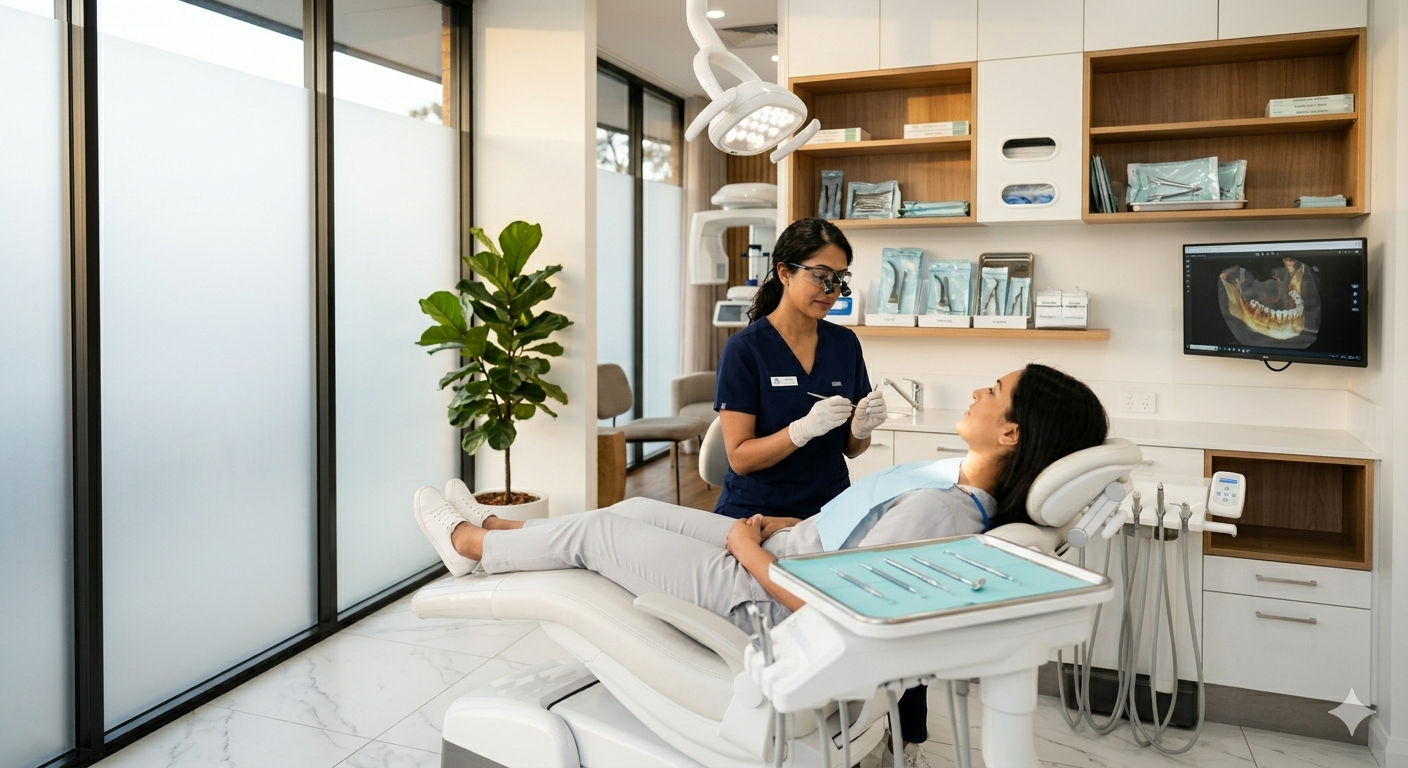
Dental implants in Clermont, Florida, offer a reliable and natural-looking solution for anyone dealing with missing teeth. They provide strong support similar to natural tooth roots, helping people regain confident smiles and improve chewing ability. The best part is that dental implants can last many years with proper care, making them a long-term investment in oral health.
What makes implants in Clermont stand out is the focus on patient comfort and modern techniques. Local dentists use advanced technology to ensure precise placement and quicker healing, reducing discomfort along the way. For those worried about dental procedures, these modern methods help make the process smooth and reassuring.
Many patients wonder if implants are right for them or how to get started. Consulting with a Clermont dental expert can clarify options and personalize treatment plans to meet individual needs. If missing teeth are a concern, exploring dental implants might be the next step toward a healthier, happier smile.
What Are Dental Implants?
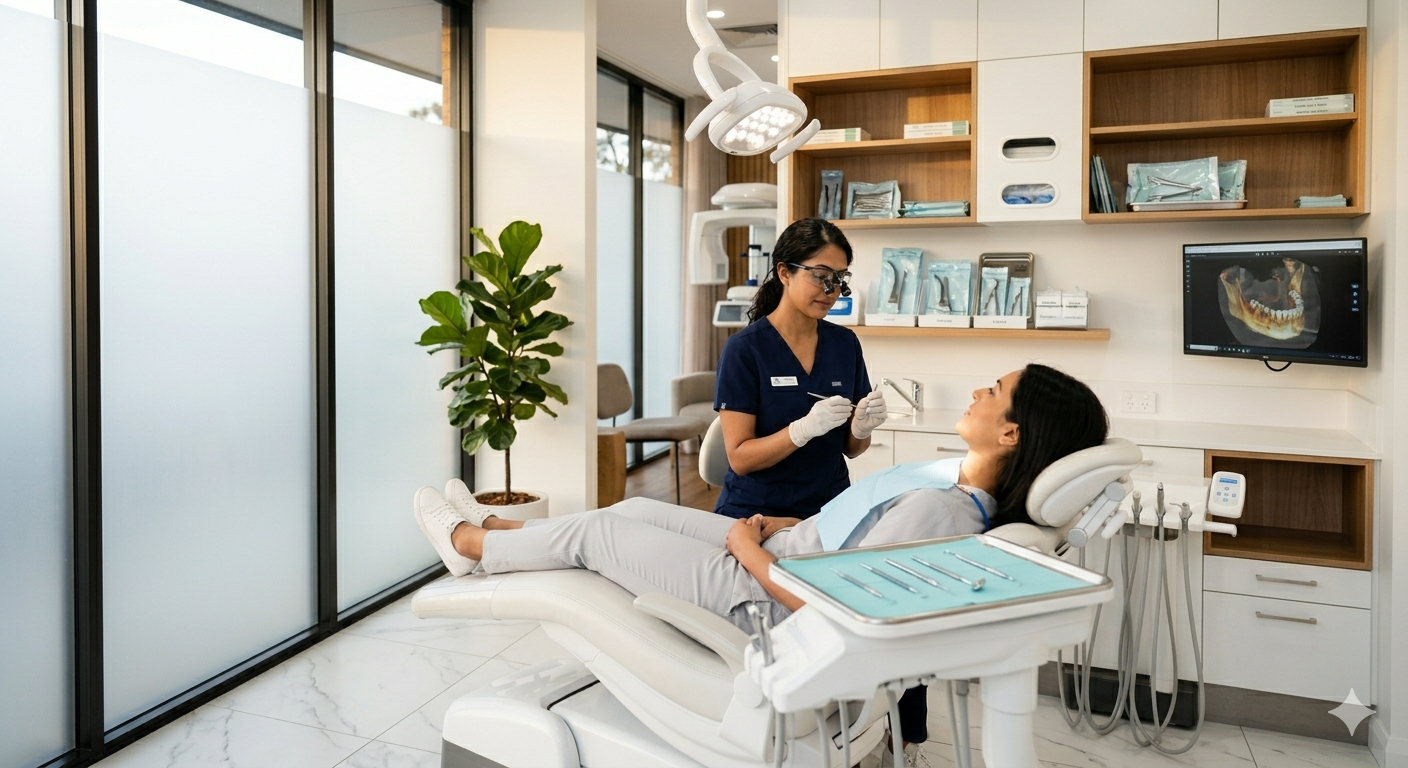
Dental implants are strong, long-lasting replacements for missing teeth. They work by anchoring artificial teeth directly into the jawbone, offering stability and a natural look. Several key components and steps come together to make implants effective and comfortable.
How Dental Implants Work
Dental implants function like natural tooth roots. A titanium post is surgically inserted into the jawbone, where it fuses over time through a process called osseointegration. This bond provides a sturdy foundation that supports a replacement tooth or crown.
Once healed, the implant supports a dental crown, bridge, or denture, restoring both appearance and function. This setup allows for normal chewing, speaking, and prevents bone loss that often occurs after tooth loss.
Parts of a Dental Implant
A dental implant typically consists of three parts:
- Implant post: Titanium screw placed in the jawbone.
- Abutment: Connector piece attached to the implant post.
- Crown: The visible tooth-like restoration matched to your natural teeth.
Each part works together to support a durable and natural-looking tooth replacement.
Implant Placement Process
The process begins with a thorough dental exam and imaging to assess bone health. During surgery, the implant post is placed into the jawbone under local anesthesia.
Healing time ranges from 3 to 6 months to allow osseointegration. After healing, the abutment is attached, followed by a custom crown. The entire process is designed to minimize discomfort and ensure a secure fit. Regular check-ups help keep the implant healthy over time.
Benefits of Dental Implants in Clermont, Florida
Dental implants offer more than just a way to replace missing teeth. They enhance daily life by boosting confidence, improving basic functions like chewing and speaking, and supporting long-term oral health. These benefits combine to create a lasting positive impact for patients in Clermont.
Restoring Confidence and Quality of Life
Dental implants provide a natural-looking solution that blends seamlessly with existing teeth. This helps patients feel more comfortable smiling and speaking in social situations without worry about gaps or loose dentures.
Because implants are securely anchored in the jawbone, they avoid the slipping or clicking problems denture wearers often face. This stability improves self-esteem and encourages people to engage more fully in family, work, and community life.
Patients often report feeling more like themselves after implant treatment, with a renewed sense of normalcy and confidence in their appearance.
Improving Chewing and Speech
Unlike removable dentures, dental implants function like real teeth. This means patients can eat a wider variety of foods without discomfort or fear of their replacement teeth shifting.
Chewing efficiency improves because implants anchor firmly in the jawbone, allowing for proper biting force. This can prevent digestive issues linked to poorly chewed food and support better nutrition.
Speech also benefits, as implants don’t affect tongue or lip movement the way dentures might. Patients usually notice clearer pronunciation and no clicking noises when talking, which helps in both personal and professional communication.
Long-Term Oral Health Advantages
Dental implants help preserve the jawbone by stimulating bone growth, preventing the bone loss that typically follows tooth loss. Maintaining bone structure supports the overall shape of the face and prevents premature aging effects.
Because implants don’t rely on adjacent teeth for support, they avoid putting stress on neighboring natural teeth. This reduces the risk of additional tooth damage or loss.
In addition, implants eliminate gaps that can trap food and harbor bacteria, lowering the chance of gum disease and decay in surrounding teeth. This contributes to healthier gums and a stronger smile over time.
If considering dental implants in Clermont, reaching out to a local dental expert can help clarify which options are best suited to individual needs.
Who Is a Good Candidate for Dental Implants?
Dental implants are designed to restore missing teeth in a durable, natural-looking way. Success depends on several factors, including oral health, overall medical status, and bone strength. Understanding these elements helps identify if dental implants are the right choice.
Assessing Your Oral Health
Good oral health is essential for dental implant success. The gums must be free of active gum disease, such as periodontitis, because infection can interfere with healing around the implant. Healthy gums also support the implant comfortably and maintain long-term stability.
The condition of surrounding teeth matters too. If there are untreated cavities or damaged teeth nearby, these issues should be addressed first. Regular dental cleanings and proper oral hygiene habits improve the chances of implant integration and reduce complications.
Medical Considerations
Certain medical conditions can affect healing and implant success. For example, uncontrolled diabetes can slow down the recovery process and increase infection risk. Patients with immune system disorders or those taking medications like bisphosphonates may face challenges with bone healing.
Smoking also negatively impacts implant outcomes by restricting blood flow in the gums. Dentists typically recommend quitting smoking before implant surgery to improve healing. A thorough medical history and consultation help tailor the implant plan to any health concerns.
Age and Bone Density Factors
In general, adults of almost any age can receive implants if their jawbone is strong enough. Bone density is critical because the implant must fuse securely with the bone. Insufficient bone volume requires additional procedures like bone grafting to build up a solid foundation.
Older patients may have lower bone density, but many still qualify with proper evaluation. Young patients whose jawbones are still growing need to wait until growth is complete to avoid implant misalignment. Bone scans or X-rays are standard to assess if enough healthy bone exists for surgery.
The Dental Implant Procedure in Clermont, Florida
Dental implant treatment in Clermont involves careful planning, a precise surgical process, and a healing period that ensures a strong, natural-feeling tooth replacement. The procedure focuses on comfort and lasting results using the latest technology and techniques.
Initial Consultation and Planning
The first step is a thorough exam and discussion in the dentist’s office. Imaging like X-rays or 3D scans helps assess bone health and the exact spot for the implant. The dentist reviews medical history and oral health to customize the treatment plan.
Patients learn what to expect, including costs, timelines, and any preparatory treatments such as bone grafts if needed. This stage is crucial to set clear goals and ensure the patient feels informed and comfortable moving forward.
Implant Surgery Steps
On the day of surgery, local anesthesia is applied to keep the patient comfortable. The dentist carefully places a titanium post into the jawbone, acting as the tooth root. This post is positioned precisely for stability and to support the future crown.
After placement, a temporary cover may be used. The implant site is then closed, often with dissolvable stitches. The surgery typically takes about 1-2 hours, depending on complexity, and is usually an outpatient procedure.
Healing and Recovery Timeline
Healing starts immediately after surgery with the implant fusing to the bone in a process called osseointegration. This can take 3 to 6 months, depending on individual healing rates and bone quality. During this time, patients avoid chewing on the implant site to protect it.
Regular follow-ups help the dentist track progress. Once healed, an abutment is attached to the implant, and a custom crown is placed. Patients are advised on care routines to maintain health and longevity of their new tooth.
Choosing the Right Clermont Dentist for Dental Implants
Finding a skilled dentist for dental implants in Clermont involves looking beyond just credentials. It’s about understanding their experience, approach to patient care, and the technology they use to ensure comfort and success throughout the implant process.
Experience and Training
A dentist’s experience with dental implants is crucial. They should have specialized training beyond dental school, such as certifications in implantology or periodontics. Years of hands-on practice enable them to handle various cases, including complex bone structures or previous implant complications.
Look for a dentist who regularly performs implants and stays updated through continuing education. This keeps them informed about the latest techniques and materials, which can improve outcomes and reduce healing times. Reviews and before-and-after photos can also provide insight into their skill level.
Patient-Centered Approach
Comfort and communication are key. A good Clermont dentist listens carefully to patient concerns and explains every step of the implant process in understandable terms. This helps reduce anxiety and sets realistic expectations.
They should offer personalized treatment plans tailored to your dental health condition, lifestyle, and budget. Also, consider if they provide sedation options or pain management to make visits more comfortable. Follow-up care and accessibility for questions after the procedure are signs of a patient-focused office.
Advanced Technology in the Office
Modern implant dentistry relies heavily on advanced tools. Clermont dentists who use 3D imaging (CBCT scans) can create precise treatment plans, ensuring implants are placed accurately and safely. This technology minimizes risks and speeds recovery.
Computer-guided implant placement and digital impressions are other innovations that improve fit and function. These tools reduce discomfort, procedure time, and help visualize results beforehand. Choosing a clinic equipped with up-to-date technology increases the chances of a smooth, predictable implant experience.
Cost and Financing Options for Dental Implants
Dental implants require an upfront investment, but several factors influence the final price. There are also different ways to manage the cost through insurance or payment plans, making implants more accessible.
Factors That Affect the Price
The total cost of dental implants in Clermont, Florida, depends on several key elements. These include the number of implants needed, the type of implant used, and any additional procedures like bone grafts or extractions.
Geographical location and the dentist’s experience also play a role. For example, a complex case requiring multiple implants or sinus lifts will naturally cost more. On average, a single implant can range from $3,000 to $5,000, but this varies.
It’s important that patients get a detailed treatment plan to understand all possible costs before starting. This clarity helps avoid surprises and allows for better financial planning.
Insurance and Payment Plans
Most dental insurance plans do not cover the full cost of implants, but some offer partial benefits. Patients should check their policy carefully or talk with their insurer about what portion, if any, is covered.
Many dental offices in Clermont provide flexible payment options, like monthly installments or financing through third parties. These plans often have low or zero-interest periods, making it easier to manage the cost.
Before proceeding, patients should ask the dental office about available payment methods and whether pre-approval is needed. This approach can ease the financial burden and make dental implants a practical option.
Caring for Your Dental Implants
Proper care is key to keeping dental implants healthy and long-lasting. This includes regular cleaning habits and knowing how to avoid issues like infections or damage to the implant site.
Daily Maintenance Tips
Dental implants need consistent care, just like natural teeth. Brushing twice a day with a soft-bristle toothbrush helps remove plaque without harming the implant surface. Using non-abrasive toothpaste is important to avoid scratching the implant crown.
Flossing daily is essential to clear food particles and bacteria from between teeth and implants. Special floss, interdental brushes, or water flossers designed for implants can be easier to use and more effective.
Rinsing with an antimicrobial mouthwash can reduce bacteria and support healing. Drinking plenty of water throughout the day also helps maintain a clean mouth by washing away debris.
Preventing Complications
Avoid habits that put pressure on implants, such as chewing ice, hard candy, or using teeth to open packages. These actions can damage the implant or surrounding bone.
Smoking slows healing and increases the risk of implant failure. Patients who quit or avoid tobacco improve their chances for long-term success.
Regular dental check-ups allow professionals to monitor implant health, catch early signs of inflammation, and provide professional cleanings suited for implants. Prompt treatment of gum issues or irritation helps prevent more severe problems.
Why Clermont, Florida Is a Great Place for Dental Implants
Clermont offers a combination of skilled dental professionals and advanced technology tailored to patient needs. The community values personalized care, making it easier for patients to feel comfortable during dental implant procedures. Modern equipment ensures efficient treatments with better outcomes.
Local Expertise and Personalized Care
Clermont dentists often have specialized training in dental implantology, with many holding certifications beyond general dentistry. They spend time getting to know patients, which helps create customized treatment plans. This approach reduces anxiety and addresses unique dental concerns.
Many practices here emphasize a gentle, step-by-step process. From initial consultation to implant placement and follow-ups, dentists in Clermont often focus on clear communication and patient education. This builds trust and ensures patients understand each stage of their care.
Access to Modern Dental Technology
Dental clinics in Clermont frequently invest in the latest technology, such as 3D imaging and computer-guided implant surgery. These tools improve precision during implant placement, reducing recovery time and increasing the success rate.
Digital impressions and CAD/CAM technology also allow for faster fabrication of implant crowns. This means fewer appointments and a more comfortable experience overall. Access to such equipment helps patients receive up-to-date, efficient care without traveling far.
Next Steps: Schedule Your Personalized Implant Consultation
Scheduling a consultation is the first step toward restoring a confident smile with dental implants in Clermont, Florida. During this visit, the dental expert will review your oral health, discuss your goals, and answer any questions.
The consultation typically includes a comprehensive exam and imaging, like X-rays or 3D scans. These help create a personalized treatment plan tailored to your needs.
Patients can expect clear explanations about the process, including timelines, costs, and care instructions. Comfort and understanding are priorities throughout this experience.
To prepare for your appointment, bring a list of any health concerns or medications. It’s also helpful to think about your expectations and lifestyle needs.
Key points to remember:
| What to Expect | Why It Matters |
|---|---|
| Oral health evaluation | Ensures implant success |
| Treatment plan discussion | Customized to your smile |
| Open Q&A session | Addresses any concerns |
| Clear next steps | Sets realistic expectations |
Taking this step means you’re investing in lasting dental health and confidence. Scheduling a consultation is easy—calling your Clermont dental office or booking online gets the process started.
Frequently Asked Questions
Dental implants involve several steps, careful planning, and decisions about who performs the procedure. Comfort, timing, and specific health conditions can all affect the treatment approach and outcome.
How do I know if I’m a good candidate for dental implants, and what would my first visit look like?
A good candidate typically has healthy gums and enough jawbone to support an implant. During the first visit, the dentist will review medical history, examine the mouth, and take X-rays or scans to assess bone health.
They will discuss treatment options tailored to the patient’s needs and outline the next steps clearly.
What’s the difference between getting implants from a periodontist versus a general dentist, and how do I choose?
A periodontist specializes in gum health and implant placement, often handling more complex cases. General dentists can perform implants too, focusing on simpler cases or broader dental care.
Choosing depends on the case complexity and the provider’s experience with implants, making a consultation important.
How long does the dental implant process take from start to finish, and what happens at each step?
The process usually spans several months. First, the implant is surgically placed into the jawbone.
Then, a healing period allows the implant to fuse with the bone, which can take 3-6 months. Finally, the dentist attaches the artificial tooth or crown.
Will getting a dental implant hurt, and what comfort or sedation options are available to help me relax?
Most patients feel minimal pain because local anesthesia numbs the area during surgery. Some may experience soreness afterward, which can be managed with pain medication.
Sedation options like nitrous oxide or oral sedatives are available to help nervous patients feel more relaxed.
Can dental implants help fix bite problems or make chewing feel natural again?
Yes, implants restore proper function by anchoring replacement teeth firmly in the jaw. This helps improve bite alignment and makes chewing feel more natural compared to removable dentures.
Implants also prevent bone loss that can affect facial structure and bite over time.
If I have an autoimmune condition, what extra precautions are needed to place implants safely?
Patients with autoimmune conditions require thorough evaluation because healing might be slower or complicated. Dentists coordinate with the patient’s doctor to adjust medications or timing.
Extra care is taken to monitor healing and prevent infection to ensure the implant integrates successfully.